The significance of Pisces as the twelfth zodiac sign lies in its role as the culmination of the astrological cycle, symbolizing the integration of all prior signs' experiences into wisdom and spiritual insight, often associated with endings, transitions, and the start of new cycles. This positioning allows Pisces to represent empathy, intuition, and the blending of opposing forces, making it a keystone for understanding evolution and maturity in personal growth.
If you've ever skimmed a horoscope app during a life transition or browsed an astrology book only to wonder why Pisces always shows up last, you're not alone—this question often pops up when people feel stuck at crossroads, like reevaluating goals or relationships, triggering curiosity about how Pisces ties into bigger cosmic patterns. Beyond just this main query, you might have a cluster of smaller ones: Is Pisces purely symbolic or does it influence personality? Can its role change over time? What visual metaphors are used in charts? Does its watery element make the sign mutable or unstable? We'll walk through all that, drawing on real-world scenarios to make sense of how this zodiac piece fits into your everyday reflections.
1. Why is Pisces considered the culminating sign of the zodiac wheel?
2. How does the mechanics of the zodiac wheel completion actually work?
3. What practical experiences does Piscean influence bring in daily astrological use?
4. What are the key indicators that reveal Piscean traits or effects?
5. What common misunderstandings exist about Pisces and need clarification?
As the twelfth sign, Pisces serves as the zodiac's final chapter, where the collective lessons from all other signs can merge into a state of heightened awareness and empathetic insight, helping bridge logical patterns with emotional depth for deeper personal evolution. Think of it as the point where your annual life journey culminates, blending past experiences—like Aries' bold starts or Capricorn's disciplined structures—into a fluid wisdom that illuminates new beginnings.
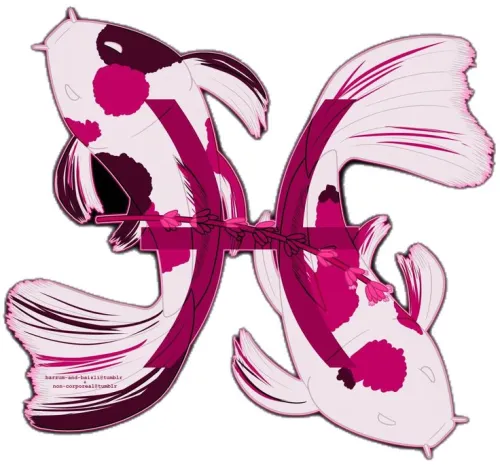
The symbolic elements here, often visualized through tools like star charts or zodiac diagrams, incorporate universal archetypes like the fish, representing duality and adaptability. Colors like deep blues and soft greens are typically used to evoke fluid emotions, reinforcing Pisces' connection to water signs. These visual cues tend to appear prominently in depictions under bright light settings, enhancing readability and emotional resonance.
The zodiac wheel completes with Pisces by symbolizing the end of a cyclic evolution, where each sign builds sequentially from the first (Aries) to the last, creating a loop that mirrors life phases like growth, maturity, and renewal; this structure encourages introspection on how endings naturally seed beginnings, making Pisces a pivot for reflecting backward to move forward.
Its structural features—such as circular diagrams showing this progression—are designed to demonstrate continuity and integration. Functional adaptability ensures these concepts engage various learning styles: beginners may grasp core ideas quicker through metaphors (e.g., the fish), while enthusiasts can delve into interpretations spanning relationship guidance or seasonal shifts. Variations in depiction style, like historical art showing evolving symbols, can indicate differing cultural takes, but the underlying theme remains consistent, fostering long-term value for those revisiting astrological studies over years.
In astrological practice, Pisces' significance translates to real-life scenarios through heightened intuition and empathy in decision-making, like using its watery nature to guide emotional choices during conflicts or transitions, which can make daily reflections feel more harmonious and insightful for users exploring personal dynamics.
Practical applications frequently occur in settings like meditation sessions or interpersonal advice, where Piscean traits—such as openness to varied perspectives—may help users identify subtle patterns in relationships. Functional adaptability means users can apply these concepts across digital and physical formats without losing clarity, maintaining readability on devices or in print. Over time, engaging with Pisces' themes can spark sustained introspection, with visual symbols acting as cues that simplify complex ideas for everyday use.
Recognizable indicators include symbolic representations in charts, like the dual fish or specific colors such as sea green and violet, which consistently highlight Pisces' fluid, empathetic traits to provide clues for interpreting personality shifts or life cycles during astrological readings.
Observable signals encompass how metaphors appear in astrological tools—for instance, consistent pattern descriptions in personality trait analyses indicate Piscean influence through emphasis on adaptability and emotional depth. Visual symbols in artwork are crafted to evoke fluidity, ensuring they stand out clearly under typical light conditions in environments like home studies. Over frequent use, these indicators can foster deeper understanding as users notice variations in how traits manifest, such as increased creativity during seasonal changes or transitions.
A key misconception is that Pisces' placement means it's a sign of weakness or indecision, when in reality, it signifies strength through integration and empathy, helping users leverage collective wisdom for resilience in complex situations like career shifts or creative projects.
Durability arises from how archetypal themes persist across cultures, debunking myths—for instance, Pisces isn't about passivity but about dynamic synthesis of opposites. Light conditions in diagrams may alter interpretations slightly, such as in dimly lit meditation apps where visual elements appear softer, potentially affecting perceived emotional intensity. Variations in depiction styles, like digital renderings versus traditional art, can clarify that the sign's core symbolism remains stable, emphasizing Pisces' role without promising fixed outcomes.
If you take away just one tip from this guide, focus on Pisces as the zodiac's bridge between endings and beginnings—use it to spot how your own life cycles connect emotions to growth, perhaps by asking, "What past patterns are informing my next step?" when reviewing astrology tools. Pair this with a quick glance at symbolic visuals in charts for practical context: look for water elements to understand empathetic cues. Ultimately, build your approach based on what aligns with your personal experiences and goals, whether applied in reflection or learning.
Q: Can Pisces' influence change depending on the context or user?
A: Interpretations of Pisces may vary significantly with personal or environmental factors, like current life events or cultural perspectives, without guaranteeing fixed results—its fluid nature encourages adaptability.
Q: Why are water symbols so dominant in Piscean depictions?
A: Water symbols, including waves or aquatic colors, evoke fluidity intuitively linked to the sign's themes, helping communicate emotional and intuitive aspects efficiently across star charts and guides.
Q: Is there a visual way to distinguish Pisces from other water signs?
A: Pisces' unique symbols, such as the pair of fish or circular motifs in diagrams, can help differentiate it by emphasizing dualism and completion rather than singular action, aiding clearer identification during readings.


$
