In medical astrology, Pisces primarily governs the feet, lymphatic system, and body fluids. This correlation stems from symbolic associations with circulatory functions and sensory perception pathways. The connection may also extend to neural pathways related to empathy and intuitive responses.
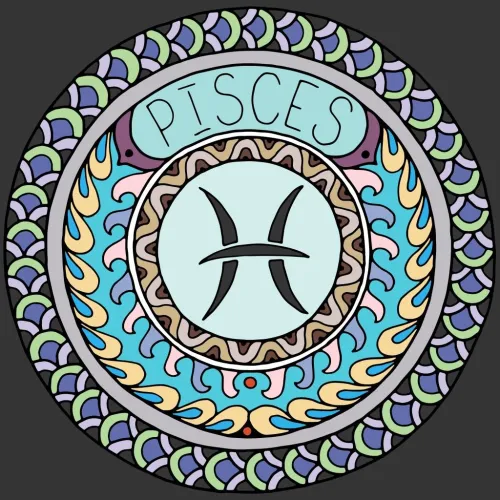
Picture this: You're exploring holistic wellness practices when your zodiac sign's supposed influence on health comes up. Suddenly you're wondering – what areas should you actually focus on if you're a Pisces? Beyond the immediate curiosity about bodily connections, hidden questions emerge: How does celestial symbolism translate to physiology? Can planetary positions genuinely affect your well-being? And importantly, what's the line between poetic metaphor and pseudoscience? We'll address these nuances head-on, examining astrological frameworks through a practical lens while acknowledging important limitations. This guide walks through anatomical correlations, application methods, and critical evaluation techniques for approaching this topic responsibly.
1. Primary Bodily Connections in Piscean Astrology
2. How Planetary Alignment Shapes Anatomical Links
3. Applying Piscean Insights in Holistic Routines
4. Evaluating Symbolic Health Indicators
5. Astrological Nuances and Common Misinterpretations
Pisces traditionally associates with feet, lymph nodes, and fluid regulation systems due to symbolic ties to circulation, sensory perception, and intuitive processing. These analogies draw from the sign’s mythological connection to water and its physiological representation of fluid movement.
Traditional astrological frameworks map Pisces to extremities and filtration systems through metaphorical parallels. Consider how feet serve as physical connectors to the earth – similar to Pisces' boundary-dissolving nature. Materials like reference charts often illustrate these associations, with laminated pages resisting wear during repeated consultation. Planetary alignments in these frameworks don't dictate health outcomes but may symbolize natural rhythmic influences on physical awareness. The associations typically remain culturally resonant when presented as symbolic relationships rather than diagnostic tools.
Planetary positions are interpreted as influencing neural pathways and fluid balance through gravitational metaphors, not direct causation. Reference diagrams visually map these concepts using adaptive designs for different learning preferences.
Conceptual diagrams in astrological materials may use color-coded overlays showing theoretical energy channels between celestial positions and physiological zones. Some digital interfaces display dynamic illustrations demonstrating proportional representations of planetary influences. The material composition of these tools often balances visual clarity with durability, though variations in lighting can affect color interpretation. Diagrams usually emphasize metaphoric connections to neural empathy pathways or lymphatic filtration cycles. Planetary movements might be presented through symbols of flow and pressure changes – useful for mindfulness exercises focused on bodily awareness.

Symbolic associations can inform practices like foot care or hydration tracking when approached as observational tools rather than predictive systems. Focus on developing routines that complement conventional health management.
Modular learning frameworks help tailor approaches based on existing health knowledge. You might create simple self-observation practices: On days when planetary aspects emphasize Pisces placements, notice if your feet feel fatigued or if you retain more water. Incorporate relaxation techniques focusing specifically on grounding through your feet during meditations. Tools supporting this often feature intuitive navigation between zodiac attributes and body awareness techniques. Since physical responses to seasonal shifts can vary significantly, track patterns over a lunar cycle to identify personal correlations. These symbolic anchors work best as prompts, not prescriptions.
Interpret symbolic signs as observational enhancements, never replacing medical advice. Notice subtle bodily fluctuations around planetary transits without overattributing meaning.
When exploring mind-body connections linked to astrological concepts:
Abstract representations require clear context to avoid literal misinterpretation. Notice how references often use terms like "symbolize" or "represent" when connecting Pisces to physiology.
Key distinctions involve separating poetic associations from medical reality and recognizing cultural interpretations that shape symbolic connections over generations.
Metaphorical references to Piscean physiology may shift subtly between cultural contexts despite retaining core associations with fluidity. Materials explaining these systems often include disclaimers about representing abstract concepts rather than physical mechanisms. Environmental conditions and usage over time can affect reference tools like printed charts, though archival-grade printing helps preserve clarity. Common errors emerge when users mistake symbolic "influence" for concrete impact – a misconception that could be mitigated by visual cues emphasizing the non-literal nature of illustrations. Symbolic representations tend to maintain relevance when framed as evolving traditions rather than fixed doctrines.
Understanding Piscean symbolism requires balancing open-minded exploration with scientific grounding. Focus on three core principles: verify physical symptoms with professionals, use symbols as mindfulness tools, and notice patterns without confirmation bias.
The main considerations when exploring cosmic-physiological connections involve separating poetry from pathology and honoring both knowledge systems responsibly. Notice if information sources consistently emphasize the metaphorical rather than medical nature of these associations. As one practitioner noted, "The feet aren't ruled by Neptune; they're better understood as poetic anchors for Pisces' fluid nature." If you remember one thing, let it be this: Symbolic correspondences become problematic only when they replace professional assessment rather than complement mindful self-awareness in your wellness journey.


$
